
What is SEO and Why It’s Important for Small Businesses (2025 Guide)
Introduction
Imagine this: You have a shop in your city, but nobody knows about it unless they walk past it. Now imagine having the same shop, but every time someone searches on Google for the exact product or service you sell, your shop appears right in front of them. That’s the power of SEO (Search Engine Optimization).
In today’s digital world, over 80% of consumers search online before making a purchase decision. If your business is not showing up in those searches, you are missing out on potential customers every single day.
For small businesses, SEO is not just a “marketing option” — it’s a necessity. Unlike big brands with massive ad budgets, small businesses need cost-effective ways to compete, attract customers, and grow sustainably.
This blog will cover what SEO is, how it works, its types, and why it is absolutely critical for small businesses in 2025.
What is SEO?
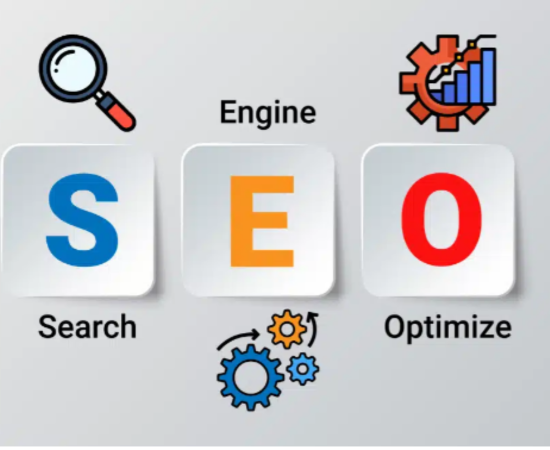
SEO (Search Engine Optimization) is the practice of optimizing your website and online presence to rank higher in search engine results pages (SERPs). The higher you rank, the more visible your business becomes to potential customers.
Search engines like Google use algorithms to decide which websites deserve the top spots. SEO helps you “speak the language” of these algorithms by making your website:
-
Relevant (answers what users are searching for)
-
Trustworthy (backed by quality content and authority)
-
User-friendly (fast, mobile-friendly, easy to navigate)
👉 In simple words: SEO is about getting your business found online without paying for ads.
How Does SEO Work?
SEO works by aligning your website with search engine algorithms. Google, for example, considers 200+ ranking factors. While you don’t need to master all of them, here are the key areas:
-
On-Page SEO
-
Optimizing titles, headings, and content with keywords.
-
Adding meta descriptions and image alt tags.
-
Structuring content with H1, H2, and H3 tags.
-
Internal linking between blog posts and service pages.
-
-
Off-Page SEO
-
Building backlinks (other websites linking to yours).
-
Social media engagement.
-
Local citations (business listings on directories).
-
-
Technical SEO
-
Improving site speed.
-
Mobile optimization.
-
Securing site with HTTPS.
-
Fixing crawl errors and broken links.
-
-
Local SEO
-
Setting up and optimizing Google Business Profile.
-
Getting reviews from happy customers.
-
Using “near me” and location-based keywords.
-
When these four areas are optimized, your website sends strong signals to Google that you are a relevant and trustworthy choice, leading to better rankings.
Why SEO is Important for Small Businesses
Let’s break down why small businesses, especially in 2025, cannot ignore SEO:
1. Increased Online Visibility
Most small businesses rely on local customers. SEO ensures that when someone searches “best bakery in Varanasi” or “digital marketing freelancer near me,” your business appears in the top results.
📌 Fact: 75% of users never go beyond the first page of Google. If you’re not there, you’re invisible.
2. Cost-Effective Marketing
Paid ads (Google Ads, Facebook Ads) bring quick traffic, but once you stop paying, the traffic disappears. SEO, on the other hand, builds long-term organic traffic.
For small businesses with limited budgets, SEO is like a 24/7 salesman that keeps bringing customers without recurring costs.
3. Builds Trust and Credibility
People trust Google. If your business ranks on the first page, customers assume you are reliable, credible, and professional.
Example: If two plumbers exist in the same area and one appears on Google’s first page while the other doesn’t, people are more likely to trust the one ranking higher.
4. Attracts the Right Customers
SEO brings targeted traffic — people who are already looking for your product or service.
-
A bakery ranks for “custom birthday cakes in Varanasi.”
-
A yoga studio ranks for “affordable yoga classes near me.”
-
A digital marketer ranks for “best SEO freelancer in Varanasi.”
These visitors are already interested — making them more likely to convert.
5. Levels the Playing Field Against Big Brands
Big companies may have huge marketing budgets, but local SEO gives small businesses a chance to compete. For example, a local café can outrank Starbucks in “best coffee near me” searches in their city by optimizing for local SEO.
6. Long-Term Growth Strategy
Unlike trends that come and go, SEO is a long-term investment. Once your site builds authority, it continues to bring consistent traffic and leads. This makes SEO one of the most sustainable growth strategies for small businesses.
Real-World Example: Small Business + SEO Success
Consider a local clothing boutique. Before SEO, only people who passed by their store knew about it. After implementing SEO:
-
Their website started ranking for “women’s boutique in Varanasi.”
-
They appeared on Google Maps with reviews.
-
They posted blogs like “Top Fashion Trends in 2025” which brought traffic from outside their city.
Result? They went from 20 daily footfalls to 80+ customers a day.
How Small Businesses Can Start with SEO (Step-by-Step)
- Set Up Google Business Profile
Free tool that helps your business appear on Google Maps & local searches. -
Do Keyword Research
Find out what your customers are searching for (use free tools like Google Keyword Planner, Ubersuggest). -
Optimize Website Content
-
Add keywords naturally.
-
Write clear titles and meta descriptions.
-
Use blogs to target common customer questions.
-
-
Mobile Optimization
Since 70% of searches happen on mobile, your website must be mobile-friendly. -
Get Reviews & Ratings
Positive reviews increase credibility and boost local SEO rankings. -
Build Backlinks
Collaborate with bloggers, local directories, and news sites to get links pointing back to your site.
Common Myths About SEO (Small Business Edition)
❌ SEO is too expensive for small businesses.
✅ Truth: You can start with free tools and basic optimization.
❌ SEO gives instant results.
✅ Truth: SEO takes time (3–6 months), but results are long-lasting.
❌ Only big companies benefit from SEO.
✅ Truth: Small businesses with local SEO often see faster results.
Frequently Asked Questions (FAQs)
Q1: How long does SEO take for a small business?
👉 Typically, 3–6 months to start seeing noticeable results, depending on competition.
Q2: Do I need a website for SEO?
👉 Yes. Your website is the foundation of SEO. Even a simple 5-page site is enough to start.
Q3: Can I do SEO myself?
👉 Basic SEO like Google Business Profile, keyword usage, and content writing can be DIY. Advanced SEO might need expert help.
Conclusion
In 2025, SEO is not just about ranking on Google — it’s about survival and growth for small businesses. It helps you compete with big brands, gain customer trust, and generate consistent leads without burning your budget.
Whether you run a bakery, a yoga studio, a retail store, or work as a freelancer — SEO ensures your business is discoverable by the right people at the right time.